
In today’s digital age, phone cases have evolved from mere protective accessories to significant representations of personal identity, social status, and emotional connections. As smartphones have become ubiquitous in our daily lives, the choices we make for phone cases reflect deeper psychological aspects of our personalities and lifestyles. No longer simply a barrier against scratches and drops, a phone case serves as an extension of ourselves, often revealing our interests, values, and even aspirations.
The growing trend of personal expression through phone cases is indicative of a broader cultural shift, where individuals seek to distinguish themselves in a crowded marketplace. With countless designs, colors, and materials available, people curate their phone cases to match not only their style preferences but also their social affiliations. This desire for uniqueness is particularly pronounced among younger demographics, who often use their phone cases to communicate their beliefs or hobbies, or to align themselves with certain social groups.
Understanding the psychology behind phone case choices can provide valuable insights into human behavior and social dynamics. The decisions surrounding which phone case to choose can indicate a variety of psychological motivations, from a desire for protection to a need for affirmation of one’s identity. Furthermore, these choices may influence how individuals perceive themselves and are perceived by others, reinforcing social bonds or creating distinctions in social interactions.
In essence, phone cases are more than just functional items; they are pivotal components of personal narrative and self-expression, highlighting the intersection of psychology and consumer behavior. As we delve deeper into this topic, we will explore the various facets of phone case choices and their implications on identity and social signaling.
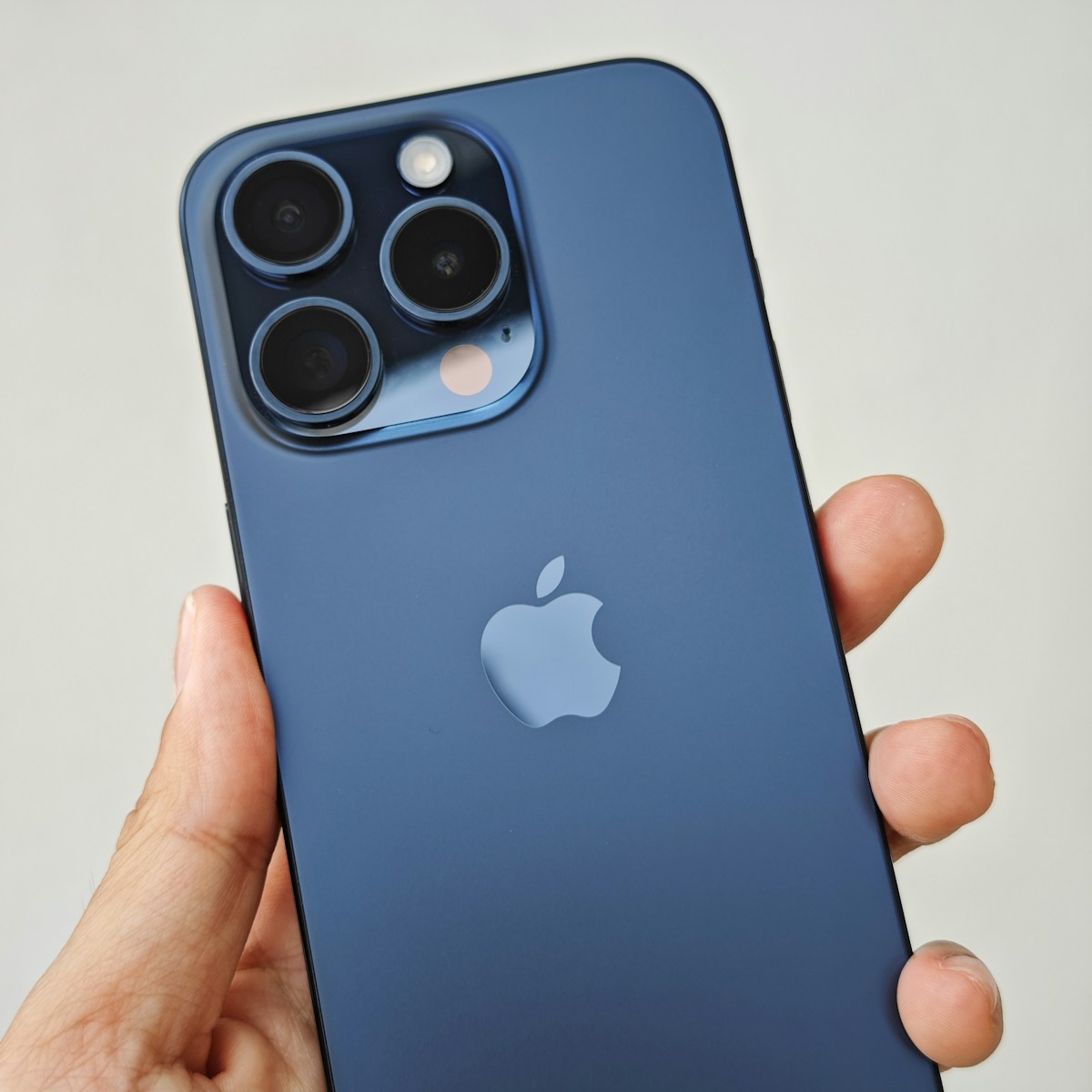
Color psychology is a fascinating field that examines how different colors can elicit emotional responses and influence behavior. When selecting a phone case, individuals often gravitate towards colors that resonate with their personality traits, moods, and the images they wish to portray. This subconscious selection process reveals much about their inner selves and external aspirations.
For instance, the color blue is commonly associated with calmness and reliability, making it a popular choice for those who prioritize stability and serenity in their lives. On the other hand, vibrant shades like red can evoke feelings of energy and passion, attracting individuals who seek to express their dynamic and spirited nature. These color choices are not merely aesthetic; they reflect the wearer’s emotional state and personal identity.
Moreover, colors can influence perceptions of professionalism and creativity. A black phone case may suggest sophistication and authority, while a yellow one could project cheerfulness and innovation. In social contexts, the colors of one’s phone case may affect how they are perceived by others, such as in a workplace setting or social gatherings. Thus, individuals often choose colors that align with the impression they wish to make on others, creating a complex interplay between personal preference and social signaling.
As consumers become increasingly aware of the psychological effects of color, this awareness can guide their phone case selections more thoughtfully. While trends certainly impact choices, it is essential to recognize the deeper meanings behind color preferences, which ultimately shape our interactions and experiences. Understanding the significance of color psychology allows individuals to select phone cases that not only complement their devices but also resonate with their true selves.

Brand loyalty manifests itself in various consumer behaviors, significantly influencing the choice of phone cases. In an era where smartphones have become an extension of personal identity, the selection of a phone case often reflects the consumer’s allegiance to specific brands. This allegiance is not merely about functionality or aesthetics; it serves as a symbol of social identity and status.
The psychological implications of brand loyalty are profound. When individuals identify with a particular brand, they often associate it with certain values or attributes, such as innovation, luxury, or reliability. For instance, a consumer who chooses a premium phone case from a high-end tech company may perceive it as an indicator of higher social status among their peers. This connection creates a powerful emotional bond, leading consumers to choose products that resonate with their self-image.
Furthermore, brand loyalty can extend beyond mere phone case purchases. Loyal customers are likely to consider the same brand for other products, creating a cohesive brand ecosystem. This phenomenon emphasizes the importance of consistent brand messaging and quality across the brand’s range of products—from smartphones to accessories and beyond. Marketers understand that cultivating brand loyalty can motivate consumers to spend more on products that reinforce their identity, often choosing a case that complements their phone while aligning with their preferred brand.
In summary, the impact of brand loyalty on phone case selection is multifaceted. It reflects not only an individual’s preferences but also extends to their perceived social status and purchasing behavior. By understanding this dynamic, brands can better cater to the psychological needs of their customers, creating products that foster deeper emotional connections and brand loyalty. Ultimately, the choice of phone case represents more than just protection for the device; it signifies a commitment to a brand that mirrors one’s personal values and social aspirations.
In contemporary society, our choices in phone case design often serve as reflections of our identities and personalities. Among the various styles available, quirky or humorous phone cases have emerged as particularly significant social signals. These types of cases not only protect the device but also express a certain playfulness and individuality. By selecting humorous designs, individuals signal to others their inclination towards fun and lightheartedness, thereby attracting like-minded individuals who share similar values.
The psychological implications of using humor as a form of personal expression cannot be overstated. Humor is often interpreted as a social bonding mechanism, which can help ease tensions and foster connections between individuals. When one opts for a phone case displaying amusing graphics or witty phrases, it creates an immediate conversation starter. This can lead to interactions that might not occur otherwise, enhancing social engagements in various settings, such as workplaces, social gatherings, or even casual encounters in public spaces.
Moreover, the use of humor in phone case design can aid in forming a community of individuals who appreciate similar forms of expression. This shared appreciation cultivates a sense of belonging and reinforces interpersonal connections. People often gravitate towards others who express similar humor, establishing pathways for friendships and networks based on shared interests. In essence, a quirky phone case transcends mere functionality, acting as a badge of identity that initiates dialogue among peers.
In conclusion, humorous phone cases serve not only as protective gear for devices but also as significant social signals. Their ability to attract like-minded individuals and foster connections underscores the profound psychological implications tied to humor in personal expression. These dynamically designed cases fulfill the dual purpose of offering both aesthetic appeal and social connectivity.

In recent years, there has been a notable increase in the number of individuals choosing to forgo using protective phone cases, embracing a trend affectionately referred to as the ‘naked phone’ movement. This shift is significant and reveals much about consumer behavior and psychological motivations. Many who participate in this trend are influenced by the appeal of minimalism, seeking simplicity and elegance in their daily lives. By removing cases, these individuals aim to expose the design and aesthetic qualities of their devices, a choice reflecting a prioritization of beauty over functionality.
Moreover, the desire to accept imperfections plays a crucial role in this phenomenon. Users of naked phones often recognize that holding onto a perfect image or pristine device can be counterproductive. Embracing scratches, dings, and wear becomes a statement of authenticity; it conveys an acceptance of life’s natural progression, encapsulating stories and experiences that accompany daily use. Such a perspective suggests a departure from fear of damage and a transition towards embracing vulnerability, which can be therapeutic.
Additionally, the decision to utilize a phone without a case can represent a form of risk-taking—one that parallels broader aspects of personal expression. This choice allows individuals to stand out in a society that often prioritizes safety and conformity. Opting for a naked phone can signal confidence and an adventurous spirit, showcasing an inclination to defy conventional norms. The psychology behind this trend illustrates a complex interplay of aesthetics, self-acceptance, and the intrinsic desire for personal expression in a world that increasingly values uniqueness.
In contemporary society, the phone case has transcended its primary function of protecting mobile devices. It has emerged as a significant accessory that contributes to aesthetic cohesion within personal style. People increasingly choose phone cases that complement their outfits, reflecting deeper psychological needs for harmony and self-expression. This trend highlights a growing desire to cultivate a cohesive personal image, where every aspect of one’s appearance, including technology, is synchronized.
The concept of aesthetic cohesion involves the thoughtful alignment of colors, patterns, and styles that ensure a harmonious visual experience. Individuals often seek phone cases that not only resonate with their fashion choices but also amplify their unique identity. For instance, someone who favors neutral tones in their clothing might gravitate towards a minimalist phone case that reflects this preference. Conversely, a person who embraces vibrant, eclectic styles may select bold, colorful cases that project their dynamic personality. This careful selection process serves as a vital tool for self-expression, enabling individuals to convey their mood and personal flair.

Moreover, the influence of social media cannot be overlooked in this context. Platforms such as Instagram and Pinterest have spurred the trend of showcasing one’s aesthetic, prompting users to curate their online identities meticulously. When individuals see influencers or peers posting coordinated outfits complete with matching phone cases, they may feel encouraged to adopt similar practices to remain relevant within these digitally constructed social circles. This phenomenon not only reinforces the importance of aesthetic cohesion but also underscores a collective pursuit of authenticity in one’s personal brand. Thus, the choice of a phone case often reflects a broader desire for unity in style and the quest for self-identity.
In today’s digital age, our smartphones serve as extensions of ourselves, and phone cases have evolved from mere protective accessories to significant personal statements. The choice of a phone case often reflects one’s personality, interests, and even social status, thereby making them a powerful tool for initiating conversations. This phenomenon can be traced back to the psychology of self-expression, where individuals curate their outer appearances to garner attention and create connections with others.
For many, a unique or striking phone case can act as a social icebreaker. A vibrant design or an unconventional theme invites inquiries from curious onlookers, opening doors to discussions that may not have occurred otherwise. This is particularly true in social settings where people might feel hesitant to approach one another. By showcasing their individuality through these accessories, users create opportunities for dialogue that centers around shared interests, be it a favorite movie, a passion for art, or a humorous aesthetic.
Moreover, phone cases often symbolize values or social identities, allowing individuals to align themselves with specific groups or communities. For instance, eco-friendly cases made from sustainable materials can signal a commitment to environmental advocacy, while cases featuring cultural motifs can foster a sense of belonging among individuals who share similar backgrounds. In this way, phone cases not only prompt discussions about their aesthetics but also deeper conversations related to personal beliefs and values.
This ability to use phone cases as conversation starters is especially relevant in environments like parties, conferences, or casual meet-ups, where establishing connections is often essential. Ultimately, these accessories provide a simple yet effective means for individuals to express themselves, provoke thought, and connect socially in an increasingly digital world.
In recent years, the phone case industry has witnessed a remarkable transformation, driven by technological advancements and evolving consumer preferences. Among the most prominent trends are sustainable materials, customizable options, and tech-integrated cases, each reflecting deeper psychological desires that go beyond mere aesthetics.
Sustainability has become a hallmark of contemporary design, with brands increasingly prioritizing eco-friendly materials. Biodegradable plastics, recycled materials, and natural fibers are being adopted as manufacturers seek to appeal to environmentally conscious consumers. This shift not only addresses a growing demand for sustainable products but also caters to the psychological need for socially responsible choices. Customers are increasingly drawn to brands that demonstrate a commitment to reducing their ecological footprint, which fosters a sense of connection and integrity.
Customizability has emerged as another significant trend in phone case design. Consumers are no longer satisfied with one-size-fits-all solutions; they prefer products that reflect their unique identities and preferences. Personalized phone cases, featuring everything from bespoke graphics to monograms, enable individuals to express their creativity and distinctiveness. This desire for individualization is deeply embedded in human psychology, as people seek to differentiate themselves in an increasingly homogenous world. Customizable options provide a canvas for self-expression, allowing consumers to feel a personal connection to their devices.
Lastly, the integration of technology into phone case designs is reshaping how users engage with their devices. Features such as built-in battery packs, NFC capabilities, and even health-monitoring sensors exemplify this innovative trend. These tech-integrated cases not only enhance functionality but also cater to users’ growing dependency on technology, addressing their psychological desire for convenience and efficiency. As our lives become more intertwined with digital devices, the demand for cases that facilitate smarter usage continues to surge.

The choices we make when selecting phone cases extend far beyond mere protection for our devices; they serve as a reflection of our personality, values, and social identities. Every phone case is not just a piece of plastic or leather. It embodies a statement about who we are, what we cherish, and how we want to be perceived by the world around us.
For instance, individuals who opt for minimalist designs may value simplicity and functionality, conveying a sense of modernity and sophistication. Conversely, a brightly colored or uniquely styled case could signify a person’s playful nature or a desire for individuality. Thus, the psychology of phone case choices highlights the interplay between our external representations and internal identities. As our devices have become essential to our daily lives, the customization of such objects becomes an avenue through which we express our uniqueness.
Moreover, phone cases often reflect not just personal traits but also our social connections and cultural affiliations. Those who select cases featuring popular franchises may do so as a form of belonging, signaling their engagement with specific communities or trends. The vibrancy or subtlety of our choices can reveal insights regarding our social relationships and how we connect with others. Thus, every case serves as a narrative, telling a story that intertwines with our experiences and social bonds.
In conclusion, the psychological significance of our phone case selections reveals much about our identities beyond providing protection. They are intricate indicators of our personalities, our values, and the narratives we choose to share with the world. As we continue to engage with these devices, let us remember the deeper meanings that accompany our simple choices in technology.