
Clear phone cases have gained significant popularity in recent years due to their sleek design and functionality. They provide a transparent barrier, allowing users to showcase the original aesthetics of their smartphones while also offering protection against everyday wear and tear. This unique combination of transparency and protection has made clear cases the go-to choice for many consumers who prioritize style without compromising on safety.
One of the primary appeals of clear phone cases is their ability to maintain the elegance of modern smartphone designs, often characterized by high-quality materials and vibrant colors. Users can appreciate the intricate details of their devices, such as the branding logos, camera configurations, and distinctive finishes, while benefiting from the durability these cases offer. The versatility in designs, which can range from minimalistic to elaborate, further enhances their attractiveness among a diverse customer base.
However, while clear phone cases might initially appear pristine, they are not without their drawbacks. A notable issue that arises over time is the yellowing effect that many of these cases experience. Factors such as exposure to UV light, heat, and the natural oils from a user’s skin contribute to this deterioration. This yellowing can significantly affect both the aesthetic appeal of the case and its perceived functionality, potentially leading consumers to seek replacements far sooner than anticipated. Moreover, this fading can overshadow the original design of the phone, diminishing the overall experience for users who valued clarity and style.
As consumers continue to favor clear phone cases for their ability to merge design with protection, understanding the causes and implications of yellowing can be essential for making informed choices. Addressing this common issue sheds light on whether the allure of clear cases is indeed worth the long-term investment.
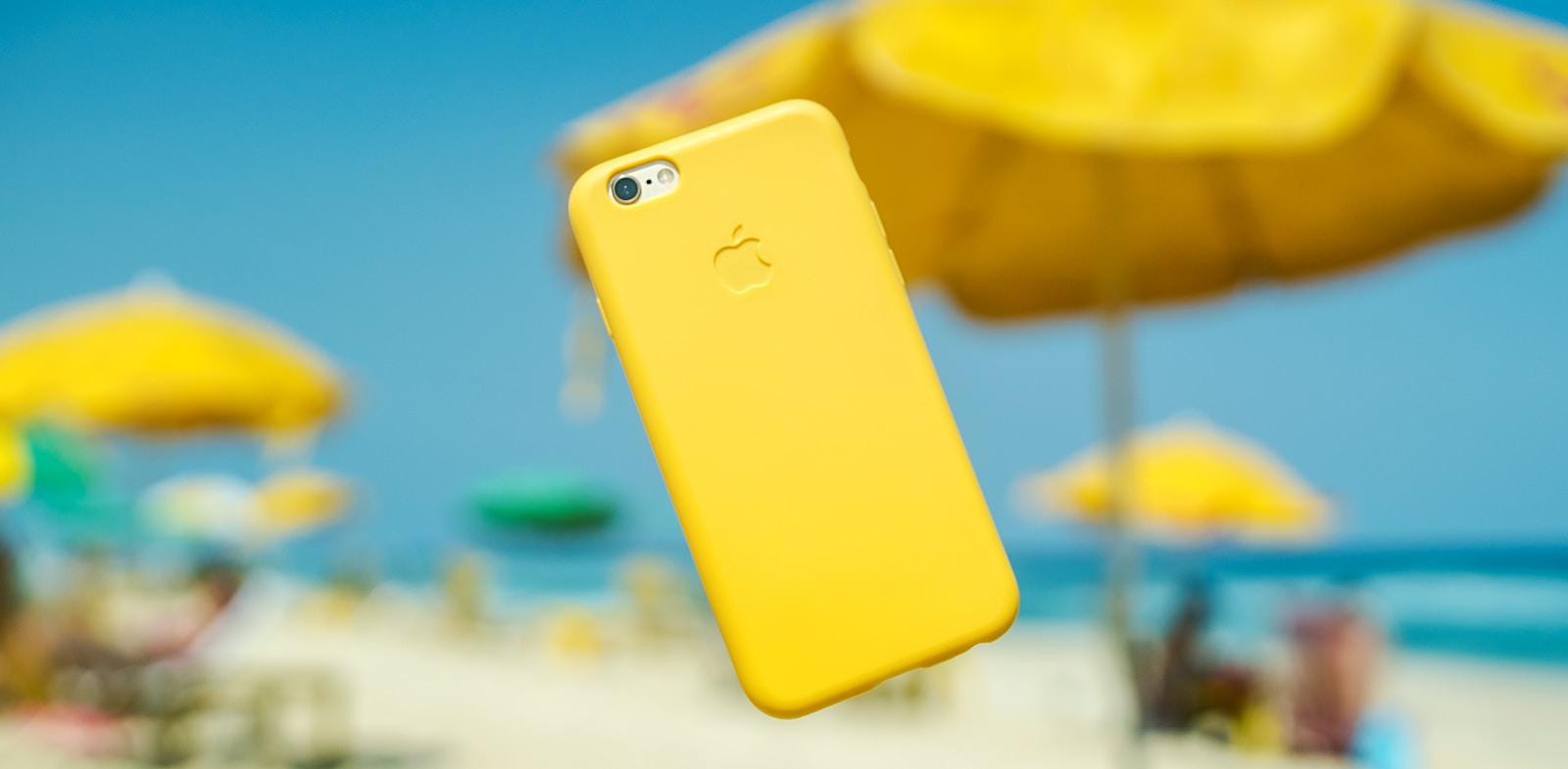
The discoloration of clear phone cases, particularly those made from thermoplastic polyurethane (TPU), is predominantly influenced by a series of chemical reactions driven by environmental factors. Over time, clear phone cases that initially boast a pristine appearance can develop a yellowish tint, and understanding this phenomenon requires examining the underlying science.
One primary factor leading to yellowing is exposure to ultraviolet (UV) light. TPU, as a polymer, is susceptible to photodegradation; when it absorbs UV radiation, the chemical bonds within the material start to break down. This process can create free radicals, which can initiate further reactions, thereby altering the structure of the TPU. Consequently, the clear nature of the phone case begins to fade, resulting in that unsightly yellowing.
Another contributing element is oxidation, which occurs when TPU interacts with oxygen in the environment. This interaction can be accelerated by heat and moisture, both of which are prevalent in everyday settings where a phone case is utilized. Oxidation leads to the formation of a variety of compounds that can impart a yellow color to the previously clear material.
Environmental factors also play a significant role. For instance, prolonged exposure to pollutants, oils from skin, and other contaminants can adhere to the surface of phone cases made from TPU. Such interactions may not only cause surface damage but can also catalyze chemical changes within the polymer, prompting yellowing. Moreover, the heat generated from prolonged usage or exposure to sunlight can further exacerbate these effects, making yellowing an almost inevitable issue for clear phone cases.
In summary, the yellowing of TPU phone cases results from a combination of UV exposure, oxidation, and environmental influences, all of which accelerate the degradation process. Understanding these factors can help manufacturers and consumers make informed decisions about the materials used in phone case production as they seek to mitigate the effects of yellowing.

Ultraviolet (UV) rays, which are primarily emitted by sunlight, play a significant role in the degradation of various materials, including the thermoplastic polyurethane (TPU) commonly used in clear phone cases. When exposed to direct sunlight, the energy from UV radiation interacts with the molecular bonds within the TPU structure, leading to a process known as photodegradation. This process initiates a chain reaction that alters the chemical composition and physical properties of the material.
The molecular structure of TPU, which is known for its flexibility and durability, begins to break down when exposed to UV light. The long polymer chains of TPU become fragmented, leading to a loss of integrity and, ultimately, the development of discoloration. Over time, this discoloration manifests as yellowing, significantly affecting the aesthetic appeal of the phone case. Studies have shown that prolonged exposure to UV radiation can drastically accelerate the yellowing process, with visible changes occurring within a few weeks of consistent exposure.
Moreover, the extent of yellowing can also depend on the additive packages and stabilizers used during the manufacturing of the TPU. Some formulations may include UV stabilizers designed to mitigate the effects of exposure to sunlight; however, these additives can only provide limited protection. Even with optimized formulations, continual UV exposure can eventually overwhelm the protective capabilities. Several manufacturers have acknowledged the challenge of UV degradation, leading to ongoing research to develop more resilient materials.
In summary, the impact of UV rays on clear phone cases is considerable, contributing significantly to the yellowing phenomenon experienced with TPU materials. It underscores the importance of understanding and addressing the environmental factors that influence the lifespan and appearance of mobile device accessories.
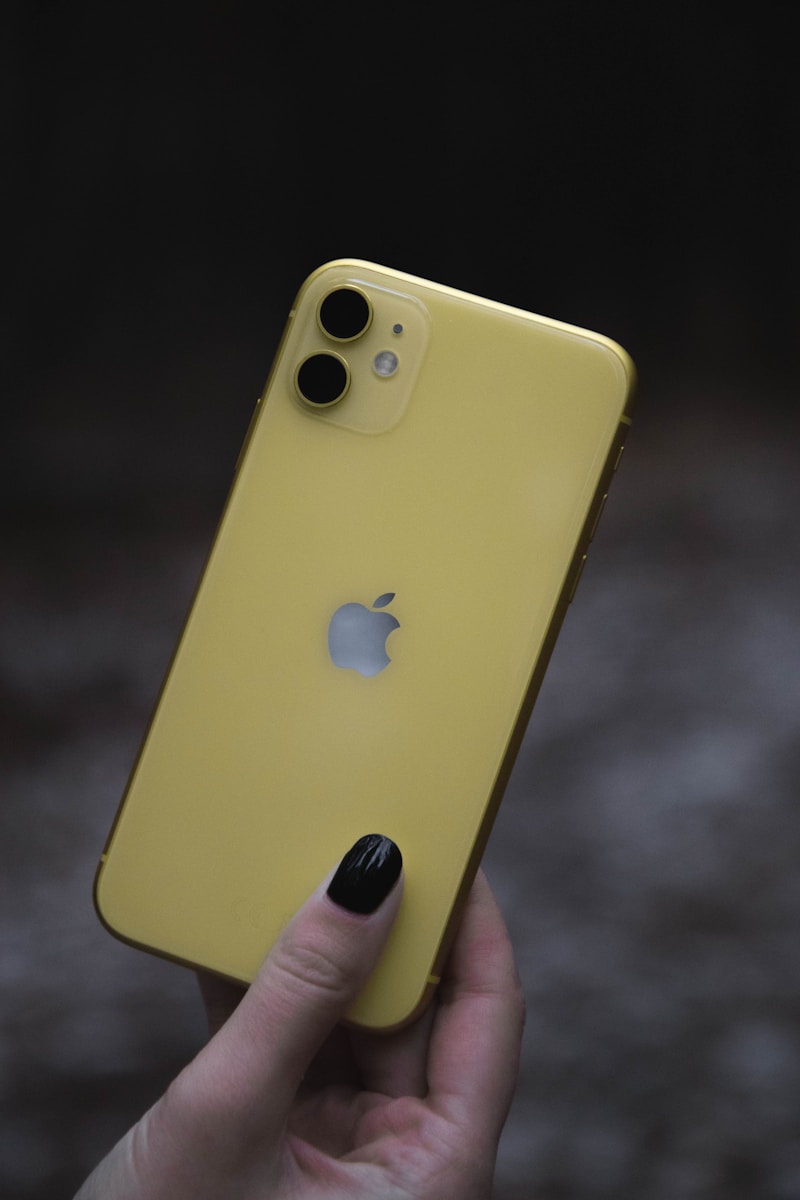
Oxidation plays a significant role in the yellowing of phone cases, particularly those made from rubber, silicone, or certain plastics. This chemical process occurs when materials react with oxygen present in the environment. Over time, this interaction can lead to a degradation of the polymers that comprise the phone case, resulting in discoloration and a yellowed appearance. The inherent structure of these materials is altered as oxygen molecules infiltrate and break down the long polymer chains, which compromises their integrity.
The environmental conditions surrounding the phone case can exacerbate this oxidation process. Exposure to sunlight is particularly detrimental, as ultraviolet (UV) rays can accelerate the reactions that lead to yellowing. Similarly, higher temperatures can increase the rate of oxidation, bringing upon speedier degradation. In addition, humidity and pollutants in the air can contribute further to the breakdown of these materials.
It’s important to note that not all phone cases are equally susceptible to yellowing due to oxidation. Some manufacturers use additives or color stabilizers that can minimize the impact of oxygen interactions, potentially extending the life of the case’s clarity. However, these solutions are not universal, and many affordable or generic models may lack such protective components, making them more prone to the oxidative processes that lead to yellowing.
Given the prevalence of oxidation in everyday life, particularly with products that require durability and longevity, understanding the role it plays could influence purchasing decisions. Consumers seeking to prolong the aesthetic and functional lifespan of their phone cases should consider factors such as material composition and environmental exposure in their product choices.
Advancements in anti-yellowing technologies have been pivotal in maintaining the aesthetics of phone cases over time. Several brands have invested in innovative materials and coatings designed to resist the discoloration commonly associated with exposure to UV light, heat, and environmental pollutants. These technologies employ various methods to combat yellowing, often combining different approaches for enhanced effectiveness.
One notable method involves the use of advanced polymers that contain anti-yellowing agents. Brands such as Spigen and Ringke have introduced cases made from these specialized polycarbonates that are inherently more resistant to yellowing. The properties of these materials allow for greater longevity compared to conventional plastics, thus providing users with a more reliable option.
Another innovative approach includes the application of clear coatings infused with anti-yellowing nanoparticles. Tech21 has pioneered this technology with its cases that feature a specific treatment designed to hinder UV damage. Despite the effectiveness of these coatings, it is crucial to note that their durability may diminish over time, particularly with prolonged exposure to harsh conditions, including direct sunlight.
Some brands have explored the use of alternative materials altogether, such as silicone and biodegradable polymers which inherently possess a lower tendency to yellow. OtterBox, known for its rugged cases, has implemented such materials in its designs, highlighting the increasing push towards sustainability without sacrificing functionality or aesthetic appeal.
While many of these advancements show promise in reducing yellowing, it is important for consumers to remain aware of the varying performance levels across different brands and products. Effectiveness can depend on factors such as environmental exposure and the upkeep provided by users. Continuous research and development in this field aim to create ever more resilient solutions.

When selecting a clear phone case, consumers are often faced with a variety of materials, each with unique properties that influence their durability and appearance over time. The most common materials used for clear phone cases include thermoplastic polyurethane (TPU), polycarbonate, and silicone, among others. Understanding the characteristics of these materials is essential for assessing their susceptibility to yellowing.
TPU is a widely used material due to its excellent flexibility and shock-absorption capabilities. Although TPU cases offer a high level of protection, they tend to yellow over time when exposed to UV light and heat. This yellowing can be accelerated by environmental factors such as humidity and prolonged exposure to sunlight, making them less desirable for longevity. However, many TPU cases are relatively affordable and available in various designs, appealing to budget-conscious consumers.
Polycarbonate is another popular choice for clear cases. This material is renowned for its durability and resistance to impact. Polycarbonate cases stand out as being less prone to yellowing compared to TPU cases. However, they can be more rigid, which may not provide the same level of shock absorption. Additionally, quality variations in polycarbonate can lead to inconsistent performance, with lower-grade options being more susceptible to scratching and discoloration over time.
Silicone cases offer a soft touch and good grip, and while they provide adequate protection, they can also exhibit yellowing. Silicone’s susceptibility to absorbing oils and dirt can contribute to the discoloration effect, diminishing its clarity. For consumers desiring a clear case that retains its transparency, it’s essential to consider these factors when choosing between materials.
In summary, each material has its pros and cons regarding clarity retention, durability, and protective qualities. Buyers must weigh these aspects to choose the best clear case for their specific needs.

Maintaining the clarity of a clear phone case is essential for many users who wish to keep their devices looking pristine. To effectively slow down the yellowing process of clear phone cases, several practical tips can be applied. Firstly, consider lifestyle changes such as avoiding direct exposure to sunlight. Ultraviolet (UV) rays can lead to degradation of the materials used in phone cases, accelerating yellowing. When not in use, it is advisable to store the phone away from direct light and in a cool, dry place.
Proper cleaning methods also play a significant role in maintaining the appearance of a clear phone case. Regularly cleaning the case with a mixture of warm water and mild soap is recommended. Use a soft microfiber cloth to gently wipe the surface, which helps remove residues and oils that can contribute to discoloration over time. Avoid harsh chemicals or abrasive materials as they can harm the case and potentially lead to increased yellowing.
An additional precaution is to limit exposure to substances that can cause staining. For example, nicotine, certain lotions, and oils can significantly affect the case’s clarity. When applying any products to your hands or hair, ensure they are fully absorbed before handling your phone. Furthermore, consider using screen protectors and phone pouches to reduce the risk of scratches and contaminants that could adhere to the case.
Lastly, opt for high-quality clear phone cases that are specifically designed to resist yellowing. While these might come at a premium, the investment can prolong the life of the case and maintain its clear appearance. By integrating these tips into your routine, the longevity and aesthetic appeal of your clear phone case may be significantly enhanced.

Maintaining the clarity of a transparent phone case is essential for both aesthetic appeal and longevity. The following guide outlines best practices for cleaning your clear phone case effectively while ensuring its durability.
To begin, it is advisable to use warm, soapy water as your primary cleaning solution. Mix a few drops of a mild dish soap with warm water in a bowl. Avoid using harsh chemicals or abrasive cleaners, as they may cause further discoloration or damage. Once the solution is prepared, submerge a soft microfiber cloth into the mixture, ensuring it is damp but not soaking wet.
Gently wipe the surface of the phone case, paying close attention to any dirt or grime build-up. A circular motion is often effective for tackling stubborn spots. If necessary, use a soft-bristled toothbrush or an old toothbrush for those hard-to-reach areas. This method is particularly useful for cleaning any dirt that may have accumulated in corners and crevices that a cloth may not fully reach.
For tougher stains or yellowing, baking soda can be an excellent natural cleaning agent. Create a paste with baking soda and water, apply it to the affected areas, and allow it to sit for a few minutes before gently scrubbing. Rinse thoroughly with warm water to ensure all residues are removed.
When cleaning, avoid using too much pressure, as excessive force can damage the case. After cleaning, rinse your phone case with lukewarm water and dry it with a soft, lint-free cloth. Ensure the case is completely dry before reattaching it to your phone.
Common mistakes include using bleach-based products or leaving your case in direct sunlight for prolonged periods to dry, which can exacerbate yellowing. Regular cleaning can prevent the build-up of dirt and maintain the appearance of your clear phone case.

Throughout this discussion, we have explored the phenomenon of yellowing in clear phone cases, emphasizing the various factors that contribute to this common issue. Clear phone cases, initially favored for their aesthetic appeal and ability to showcase the original design of the device, often fall victim to environmental elements such as UV exposure, heat, and the accumulation of dirt and oils from everyday use. These factors can lead to discoloration and are especially pronounced in low-quality materials that lack adequate protection against these degrading elements.
However, the market for phone cases is evolving, driven by technological innovations and advancements in materials. Manufacturers are increasingly aware of the challenges posed by yellowing and are investing in the development of more durable, resistant materials that promise to maintain clarity longer. Options such as polycarbonate blends and transparent thermoplastic polyurethane (TPU) are currently being improved to enhance their resistance to UV rays and other causes of discoloration.
Looking ahead, it is crucial for consumers to weigh their options carefully when selecting a phone case. Paying attention to product reviews and the specifications of materials used can aid in making informed decisions. Additionally, the demand for innovation in this space may incentivize manufacturers to explore alternative materials and coatings that could potentially eliminate yellowing altogether.
In conclusion, while yellowing phone cases may seem inevitable with current materials, the future outlook is promising. As technology advances and consumer preferences shift, there is hope for solutions that provide both durability and aesthetic longevity in clear phone cases. It is essential for individuals to consider these aspects when selecting a case to protect their devices.